
How oral health affects the rest of the body
We all know brushing our teeth is important, but it's easy to forget just how much this small daily habit does for the rest of our body as well.Oral health has been linked to heart disease, diabetes, and even cognitive decline. These important concerns connect directly to our daily brushing habits.
Heart health
When gums are inflamed, the bacteria that cause gum disease can enter the bloodstream. Once there, they can contribute to inflammation in the blood vessels. This inflammation is one of the factors linked to conditions such as coronary artery disease and an increased risk of heart attack. It doesn’t mean brushing alone prevents heart disease, but keeping gums healthy reduces one of the body’s avoidable inflammatory burdens — and that helps protect the heart over time.
Diabetes
People with diabetes are more prone to gum disease because higher blood sugar levels make it easier for harmful bacteria to thrive. But the relationship goes both ways: gum disease can also make blood sugar harder to control. Managing the gums well reduces this “circle of inflammation,” helping diabetics maintain better stability — and helping prevent the onset of diabetes in those at higher risk.
Cognitive decline
There is growing evidence that long-standing gum inflammation may influence cognitive health. Bacteria associated with severe gum disease have been found in the brain tissue of patients with Alzheimer’s disease, suggesting they may play a role in the inflammatory processes linked to cognitive decline. Again, this doesn’t mean gum health is the only factor, but it appears to be one of the small, daily things that helps protect long-term brain health.
Why these connections matter
These conditions — heart disease, diabetes, declining cognition — seem far removed from brushing your teeth, but the mouth is one of the main entry points to the body.
When gum tissue is healthy, it acts as a protective barrier. When it’s inflamed, it becomes more permeable, allowing bacteria and inflammatory markers to travel more easily. Consistent brushing protects this barrier and keeps the body from having to deal with unnecessary inflammation.
At Dawood & Tanner, we see patients with every kind of dental and gum concern. Modern dentistry offers solutions for almost everything, but brushing well, and doing it consistently, still makes the biggest difference.
Getting the brushing basics right
You don’t need to overhaul your routine or buy complicated gadgets. The key is to bring your toothbrush bristles into contact with every junction of tooth and gum and move gently but thoroughly along that line. That’s where plaque builds up and gum disease starts.
If you already brush carefully, a few small changes — the angle of the brush (hold it at about 45 degrees toward the gumline), a lighter grip, or an electric brush with a timer — can help refine what you’re doing.
The important thing is the rhythm of it: twice a day, every day, for about two minutes each time, without skipping.
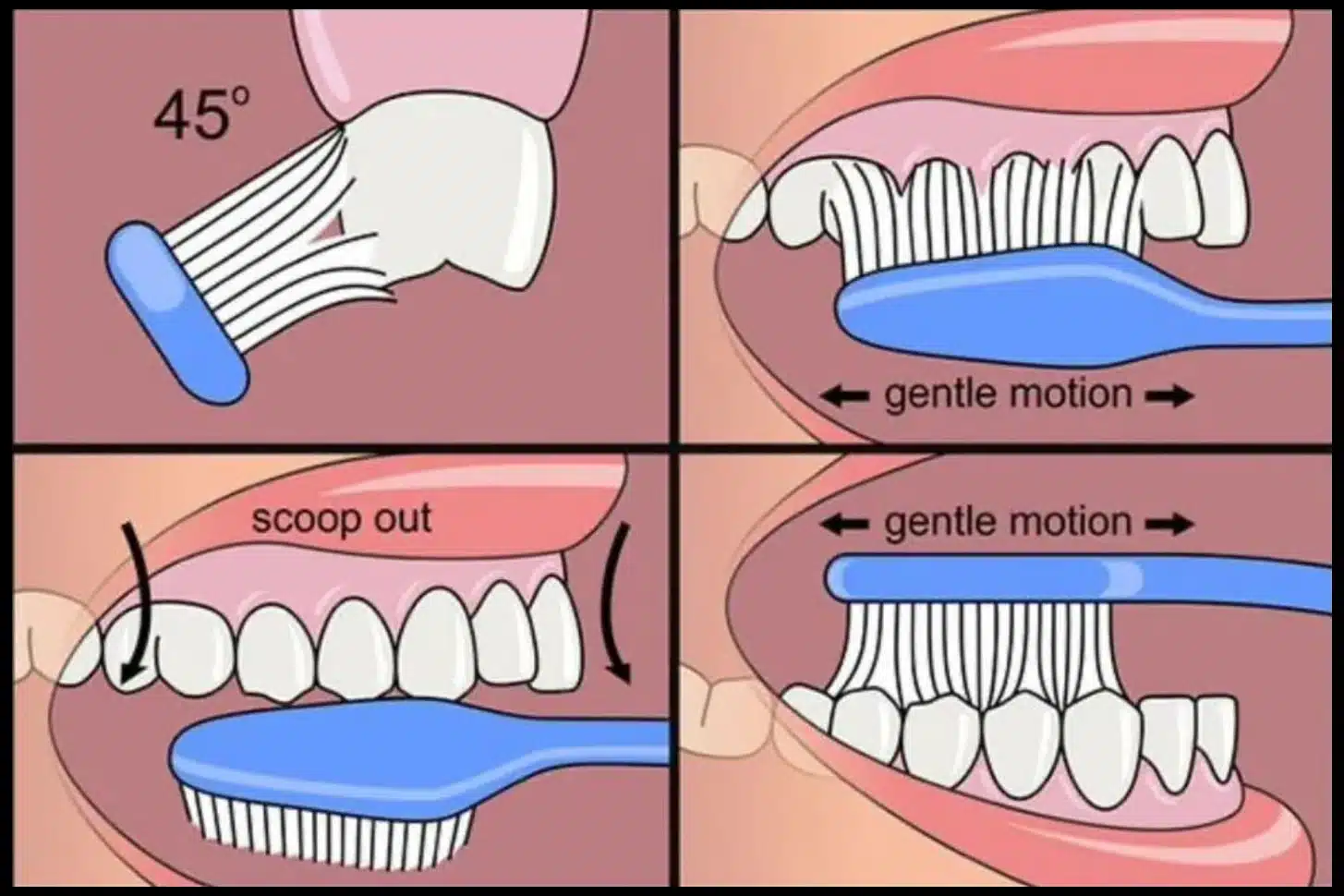
Even with perfect brushing, there are areas the toothbrush just can’t reach, especially between the teeth. The narrow spaces between teeth are where plaque hides, so it’s worth adding interdental brushes or floss to your routine.
Interdental brushes come in different sizes, and our hygienists can help you find the right ones from brands such as Tepe. Floss or Superfloss is often better for tighter gaps or around bridgework and implants. Used together, these tools do the quiet, steady work of keeping your mouth healthy.
Finding the tooth cleaning habit that works for you

Everyone’s mouth is different, and so are people’s hands, habits, and daily routines. During appointments, our hygienists can show you small adjustments that make brushing easier for you. Sometimes we suggest a medicated gel or rinse for short-term use, but those are just temporary aids. Nothing works quite as well or allows you to reach all your teeth and gums quite like a toothbrush.
When brushing feels like a chore
Everyone knows they should brush twice a day, but “should” isn’t much of a motivator. Some nights it just feels tedious, and the temptation to skip it is real. Instead of turning brushing into a rule, try seeing it as a small act of care — something you do for yourself, not out of obligation.
If you dread brushing, make it more appealing: use a toothpaste you like and enjoy, a brush that feels good in your hand, or play a short song while you do it.
Sometimes reframing it helps. You’re not just cleaning your teeth — you’re helping your body stave off discomfort, extra treatment, or that heavy feeling of regret later. And there’s satisfaction in that: two quiet minutes, a clean mouth, and one less thing to worry about tomorrow.
A few small tricks can help:
- Brush with purpose, not just out of routine
- Keep your toothbrush in sight, not tucked away.
- Brush at the same times each day so it becomes a habit
- Use music or a two-minute timer so it feels more natural to keep going.
- Focus on how fresh your mouth feels afterwards.

You don’t have to be perfect. What matters is that you keep showing up for your own routine.
A modest habit, a lasting return
There’s nothing glamorous about brushing your teeth, but it’s one of those small things that really does add up. Two quiet minutes, twice a day, and you’re already taking care of your future self. Keep doing it.
Want to improve your oral health routine? Contact Dawood & Tanner to schedule an appointment with one of our dental hygienists. We’ll help you develop a personalised approach that works for your unique needs.