
Updated for 2026
Many people believe a dental check-up focuses on issues such as decay or gum health. In reality, your mouth can reveal a surprising amount about your overall health.
Dentists are trained to look far beyond the surface of the teeth. By examining the gums, tongue, bite and soft tissues, they can often identify early warning signs of medical conditions that might otherwise go unnoticed. A routine dental examination is therefore one of the most valuable health screenings you can have.

Teeth grinding can signal stress or sleep problems
One of the most common issues dentists notice is excessive wear on the teeth. Flattened biting surfaces, small cracks or sensitive teeth often indicate bruxism, the medical term for grinding and clenching.
This habit usually happens during sleep and is frequently linked to periods of stress, anxiety or poor sleep quality. In some cases, it can also be connected to obstructive sleep apnoea, a condition where breathing is interrupted during the night.
Left untreated, grinding can lead to chronic jaw pain, headaches and damage to fillings or crowns. A dentist can recognise the early signs long before you may be aware of them and can provide a custom-made night guard to protect your teeth. They may also suggest ways to reduce strain on the jaw or recommend further medical assessment if needed.
Acid erosion may indicate eating disorders or reflux

The surfaces of your teeth can also show clear evidence of repeated exposure to stomach acid.
Dentists are trained to recognise the distinctive pattern of enamel erosion caused by conditions such as bulimia, chronic vomiting or severe acid reflux. The enamel gradually becomes thinner, more yellow in appearance and increasingly sensitive.
Often these changes are visible long before a patient feels able to discuss the underlying cause. A compassionate dental professional can help start an important conversation, provide practical ways to protect the teeth and, when appropriate, guide patients towards further medical support.

Gum disease may be a sign of diabetes
Bleeding or inflamed gums are not simply a minor dental problem. Persistent gum disease can sometimes point to wider health concerns.
There is a well-established link between periodontal disease and diabetes. People with poorly controlled blood sugar are more prone to gum infections, and ongoing inflammation in the gums can in turn make it harder for the body to regulate glucose levels.
For this reason, dentists often ask detailed questions about general health and may suggest that patients with recurring or severe gum problems speak to their GP about diabetes screening. In many cases, a dental appointment is the first place these concerns are identified.
Oral health and heart health are closely connected

Research continues to show associations between advanced gum disease and cardiovascular health. Chronic inflammation in the mouth can contribute to inflammation elsewhere in the body, which is known to play a role in heart disease.
While brushing and flossing alone cannot prevent heart problems, maintaining healthy gums is considered an important part of protecting your general wellbeing. Regular professional cleaning and early treatment of gum issues help to reduce these risks.

Dry mouth might be a side effect of your medication
Saliva plays a vital role in protecting teeth, so when its production is reduced, the risk of decay and gum disease rises sharply.
Many widely prescribed medications, including antidepressants, antihistamines and blood pressure drugs, can cause dryness as a side effect.
If this is affecting your oral health, your dentist can recommend practical solutions such as specialised toothpastes, saliva substitutes and lifestyle adjustments to keep your mouth comfortable and healthy.
Lifestyle habits are clearly visible in the mouth

Smoking and heavy alcohol consumption also leave very obvious signs within your moth and teeth. Dentists frequently see increased plaque build-up, higher levels of gum disease, staining and slower healing in patients with these habits.
Dental professionals also carry out routine checks for early signs of oral cancer. Regular appointments mean any suspicious changes can be identified quickly, when treatment is most effective.
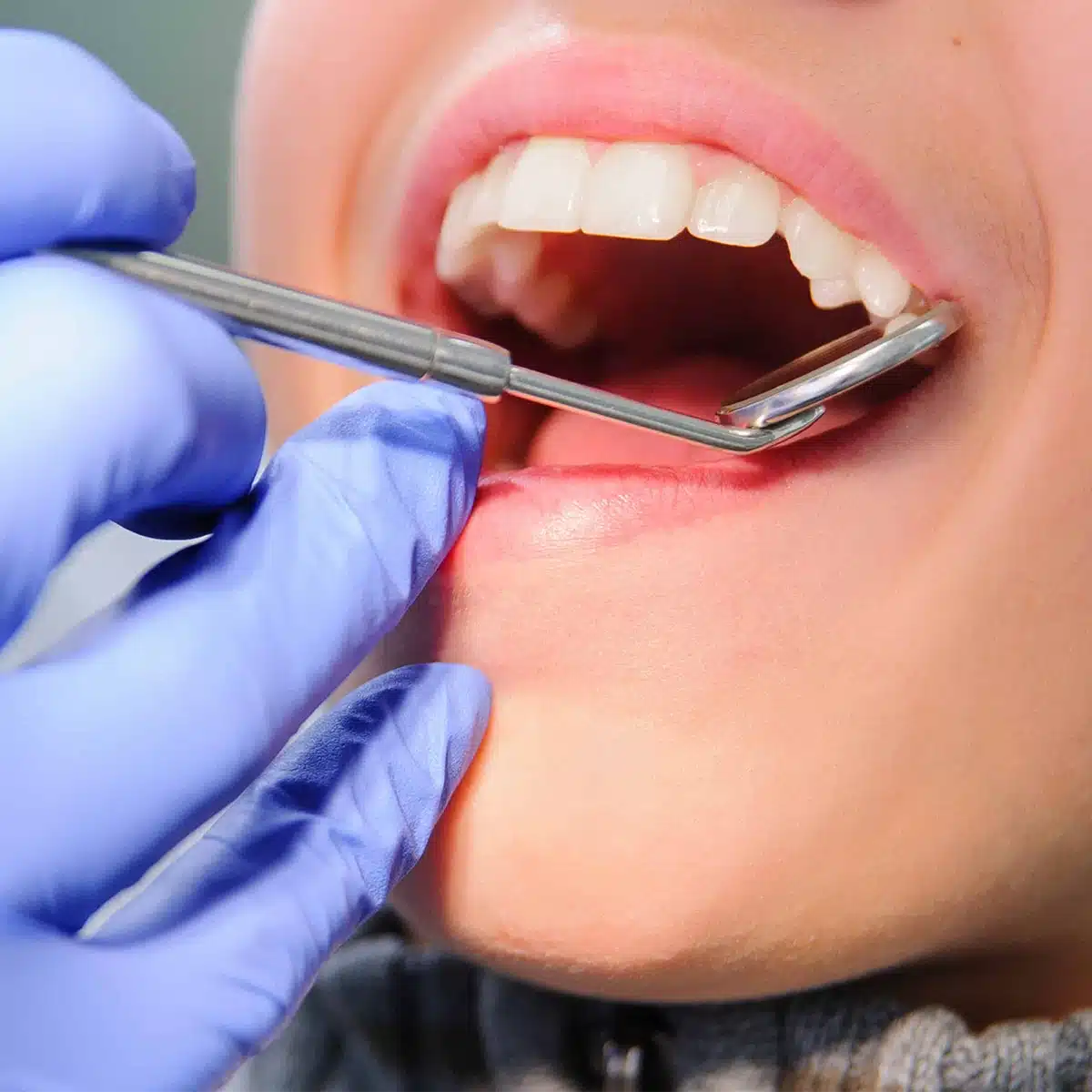
Why regular dental check-ups matter
Regular dental examinations are more than just a check-up—they are an opportunity to deliver personalised, high-value care that supports both oral and overall health. The Dawood & Tanner Signature Check-Up is designed to provide a thorough, patient-focused experience, particularly for those who may have lapsed in their routine visits. This comprehensive assessment includes a full clinical examination, periodontal evaluation, and, where appropriate, digital radiographs and intraoral scans—all framed within a clearly defined fee. By integrating advanced digital technology, the process not only enhances diagnostic accuracy but also helps patients better understand their oral health and any recommended next steps.
Beyond the clinical assessment, the appointment dedicates time to understanding each patient as an individual—addressing concerns, discussing goals, and identifying any barriers to care. Clear, tailored prevention advice and a straightforward oral health plan are provided, ensuring patients leave with confidence in their ongoing care. Any recommended treatments are presented in a supportive, non-pressured manner, focusing on options, priorities, and collaborative decision-making. This approach reflects a commitment to excellence, helping patients feel genuinely looked after while supporting long-term health and well-being.
Contact us today to arrange a Signature Check-Up.
At Dawood & Tanner, our experienced clinical team takes a whole-person approach to dentistry. We focus not only on your teeth, but on how your oral health fits into your overall wellbeing.
If it has been a while since your last examination, we would be delighted to help you get back on track.